Optimal Timing for Concrete Installations in Lees Summit
Concrete installations are most effectively performed during specific weather conditions to ensure optimal curing and durability. The ideal time for concrete work typically aligns with moderate temperatures, low humidity, and minimal precipitation. In Lees Summit, Missouri, the most suitable periods are during late spring and early fall when these conditions are prevalent.
Spring offers mild temperatures and lower humidity, promoting proper curing and reducing the risk of cracking.
Fall provides cooler weather and less rain, creating favorable conditions for concrete setting and strength development.
Extreme heat can cause rapid drying and cracking, while freezing temperatures hinder proper curing, making summer and winter less ideal for concrete work.
Monitoring local weather forecasts is crucial to select days with stable, moderate conditions for concrete installation.
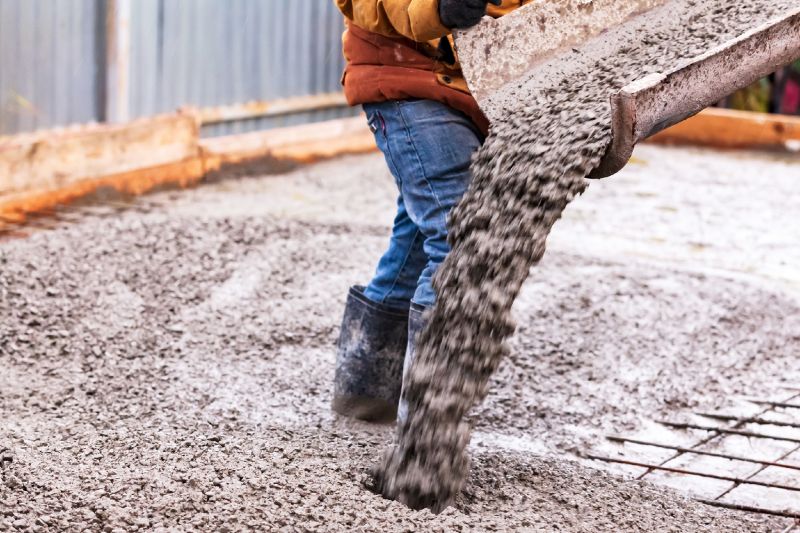
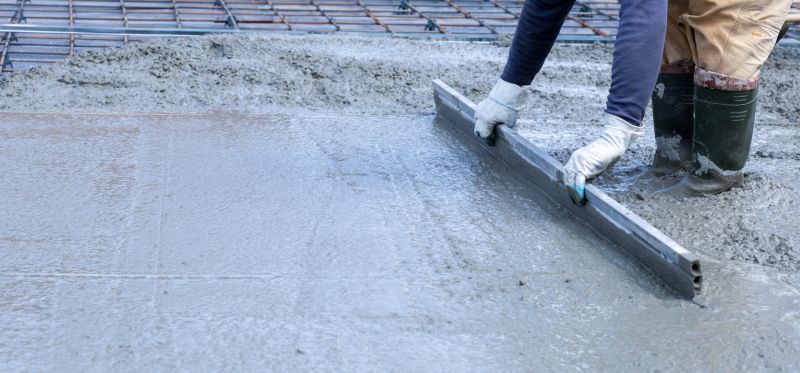
A crew pouring concrete during spring weather in Lees Summit.

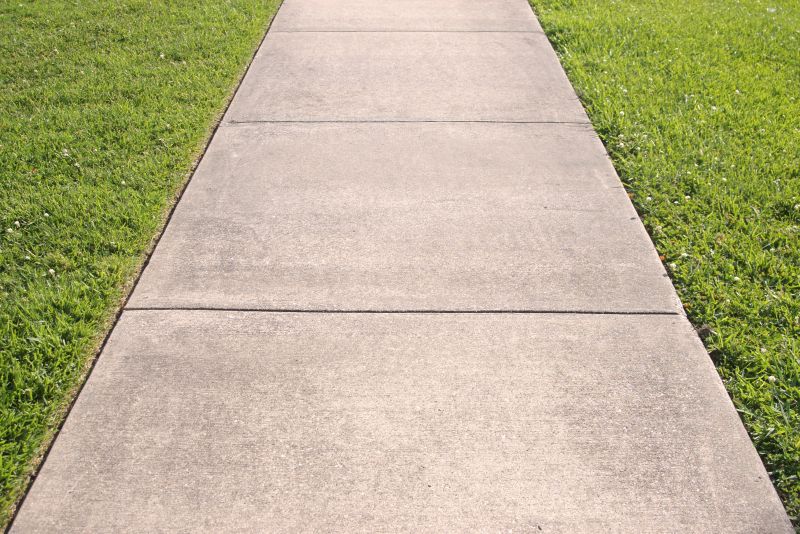
A finished concrete surface prepared for curing in autumn.
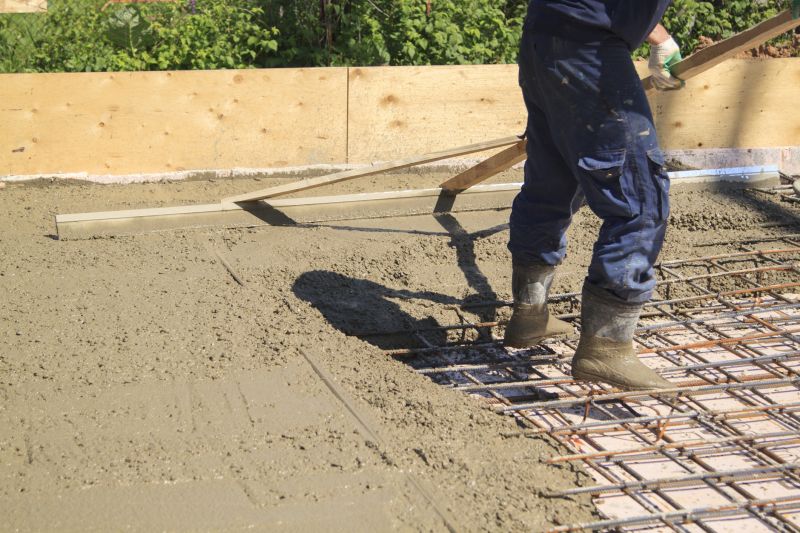
Clear skies and moderate temperatures during a concrete installation.
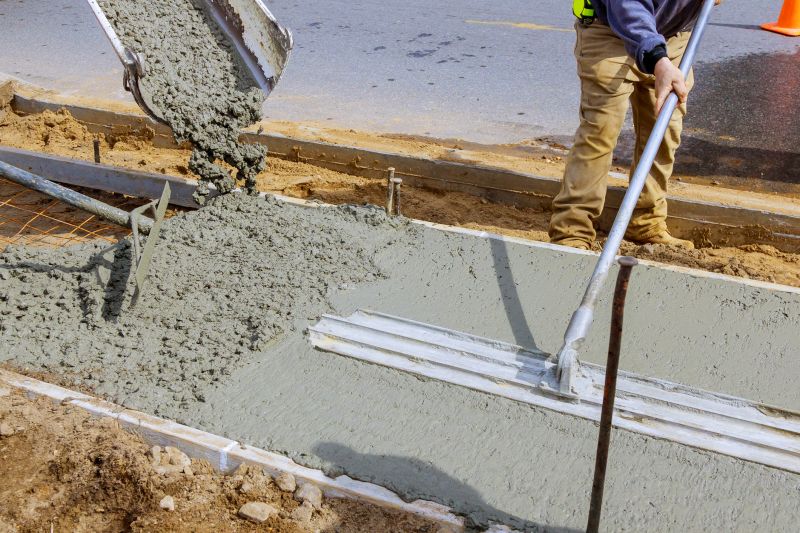
Ways to make Concrete Installations work in tight or awkward layouts.
Popular materials for Concrete Installations and why they hold up over time.
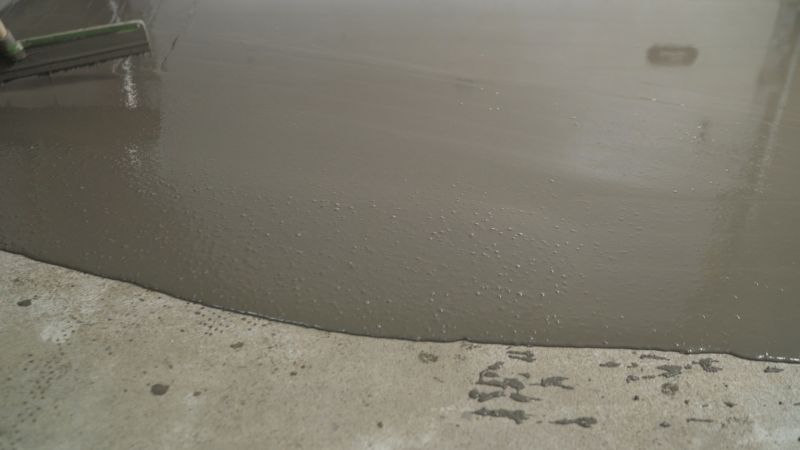
Simple add-ons that improve Concrete Installations without blowing the budget.
| Season | Optimal Conditions |
|---|---|
| Spring | Moderate temperatures, low humidity, minimal rain |
| Summer | High temperatures, risk of rapid drying, not recommended |
| Fall | Cooler weather, low humidity, stable conditions |
| Winter | Freezing temperatures, moisture issues, not recommended |
Concrete installations require careful planning to ensure proper curing and long-term strength. The curing process is vital for preventing cracks and ensuring durability. Weather conditions directly influence the curing quality; thus, selecting the right season can significantly impact the project's success. Proper timing minimizes delays and reduces the need for repairs or rework, making it a critical consideration for any concrete project.
Statistics indicate that concrete reaches approximately 70% of its strength within the first week and 90% within 28 days under ideal conditions. Temperature fluctuations and moisture levels during curing can alter these timelines, emphasizing the importance of scheduling concrete work during periods with stable weather. Proper timing enhances the longevity and performance of the finished surface, ensuring it withstands daily use and environmental stresses.
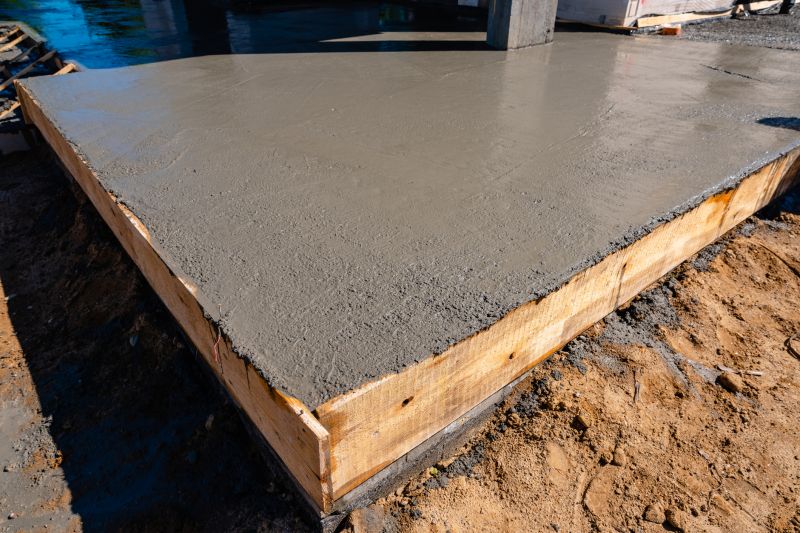
A construction site with fresh concrete during spring weather.
A large concrete pour taking place on a fall day.
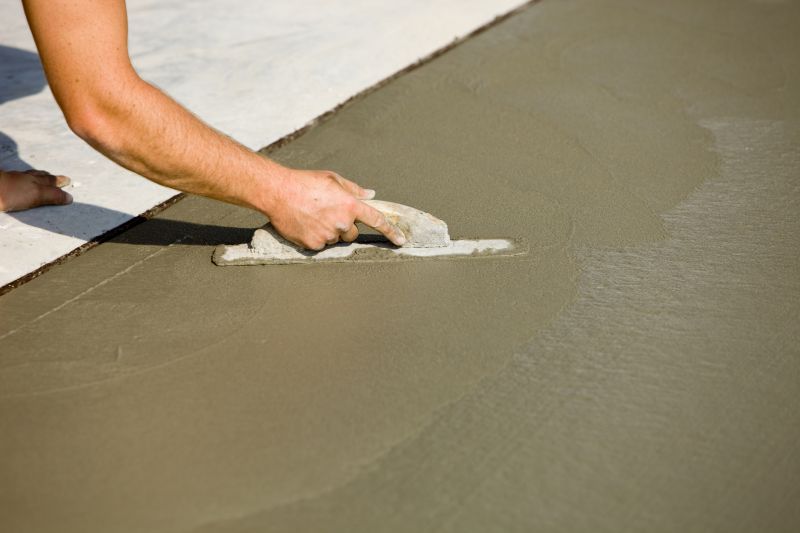
Properly cured concrete in favorable weather conditions.
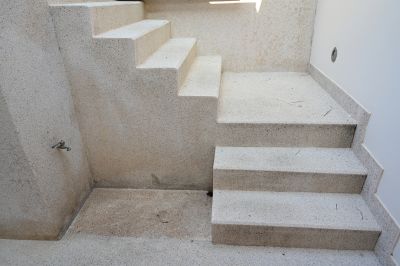
A concrete project completed during optimal weather in Lees Summit.
High-end options that actually feel worth it for Concrete Installations.
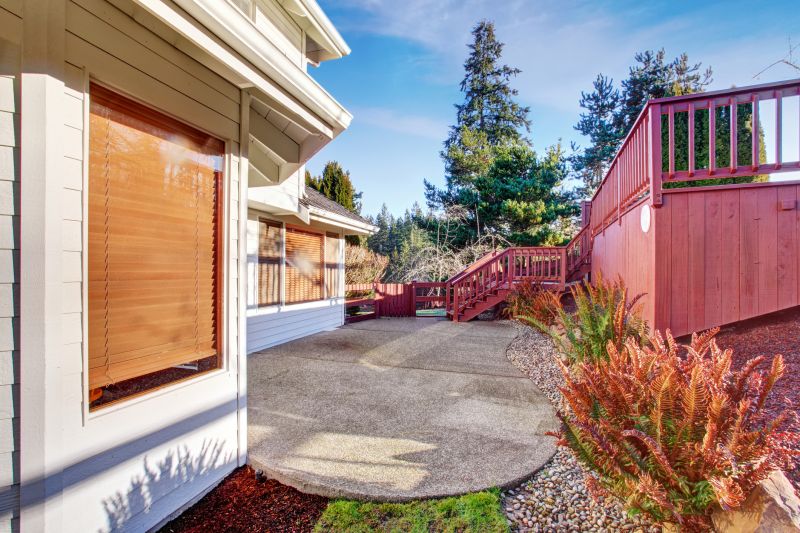
Finishes and colors that play nicely with Concrete Installations.

Little measurements that prevent headaches on Concrete Installations day.
A 60-second routine that keeps Concrete Installations looking new.
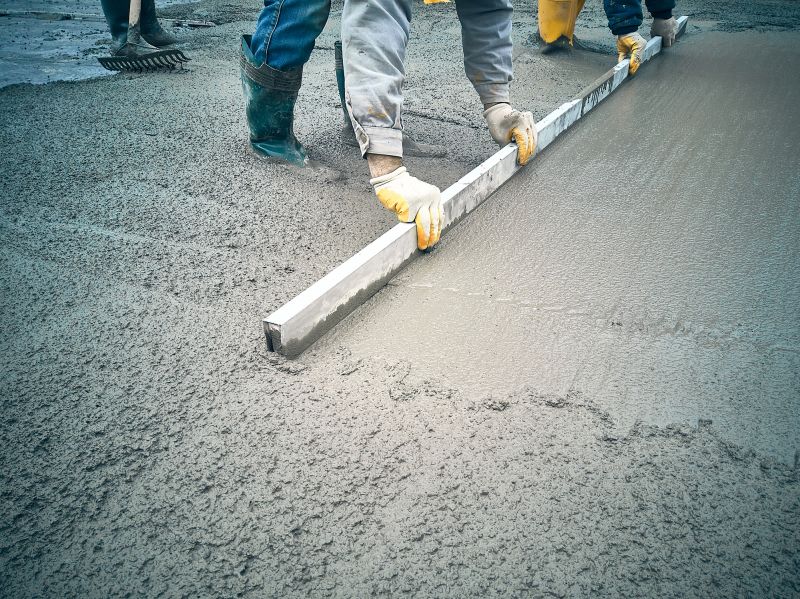
A frequent mistake in Concrete Installations and how to dodge it.
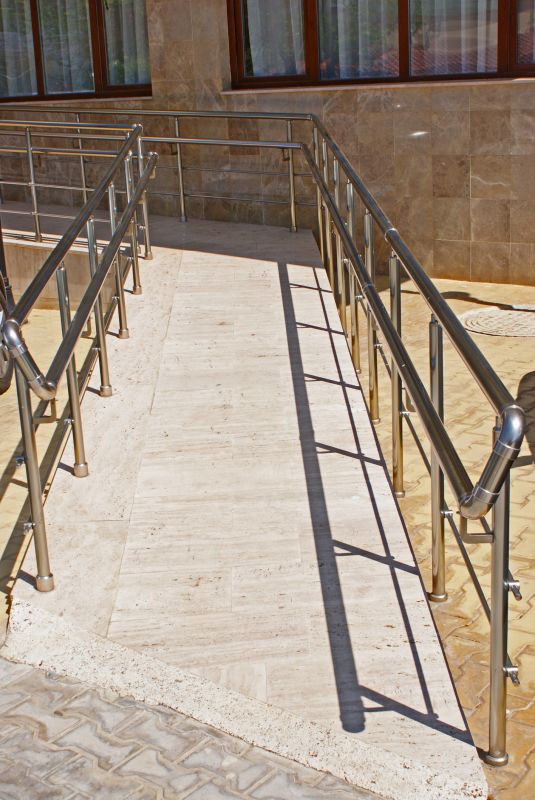
Small tweaks to make Concrete Installations safer and easier to use.
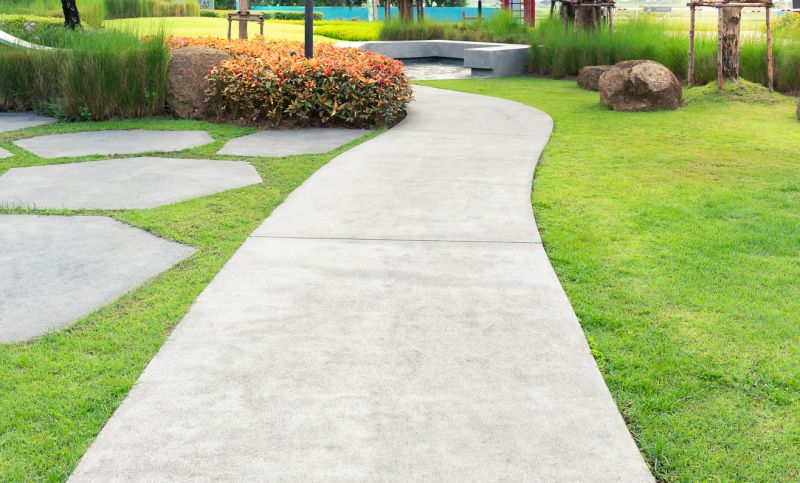
Lower-waste or water-saving choices for Concrete Installations.

The short, realistic tool list for quality Concrete Installations.
Individuals interested in concrete installations are encouraged to consider seasonal weather patterns for scheduling. Proper timing not only enhances the quality of the work but also contributes to cost efficiency and project longevity. For further information or to discuss specific project needs, filling out the contact form is recommended.